CYBERMED LIFE - ORGANIC  & NATURAL LIVING
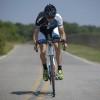
Exercise Cycling

Exercise Cycling: Cycling, also called bicycling or biking, is the use of bicycles for transport, recreation, exercise or sport. People engaged in cycling are referred to as "cyclists", "bikers", or less commonly, as "bicyclists". Apart from two-wheeled bicycles, "cycling" also includes the riding of unicycles, tricycles, quadracycles, recumbent and similar human-powered vehicles (HPVs).

Bicycles were introduced in the 19th century and now number approximately one billion worldwide. They are the principal means of transportation in many parts of the world.

Cycling is widely regarded as a very effective and efficient mode of transportation optimal for short to moderate distances.

Bicycles provide numerous benefits in comparison with motor vehicles, including the sustained physical exercise involved in cycling, easier parking, increased maneuverability, and access to roads, bike paths and rural trails. Cycling also offers a reduced consumption of fossil fuels, less air or noise pollution, and much reduced traffic congestion. These lead to less financial cost to the user as well as to society at large (negligible damage to roads, less road area required). By fitting bicycle racks on the front of buses, transit agencies can significantly increase the areas they can serve.

Among the disadvantages of cycling are the requirement of bicycles (excepting tricycles or quadracycles) to be balanced by the rider in order to remain upright, the reduced protection in crashes in comparison to motor vehicles, often longer travel time (except in densely populated areas), vulnerability to weather conditions, difficulty in transporting passengers, and the fact that a basic level of fitness is required for cycling moderate to long distances.
  • Cycling and cardiovascular disease risk factors including body composition, blood lipids and cardiorespiratory fitness analysed as continuous variables: Part 2-systematic review with meta-analysis.

    facebook Share on Facebook
    Abstract Title:

    Cycling and cardiovascular disease risk factors including body composition, blood lipids and cardiorespiratory fitness analysed as continuous variables: Part 2-systematic review with meta-analysis.

    Abstract Source:

    Br J Sports Med. 2019 Jul ;53(14):879-885. Epub 2019 May 31. PMID: 31151938

    Abstract Author(s):

    Solveig Nordengen, Lars Bo Andersen, Ane K Solbraa, Amund Riiser

    Article Affiliation:

    Solveig Nordengen

    Abstract:

    OBJECTIVES:We aimed to examine the relationship between cycling (particularly commuter cycling) and risk factors associated with cardiovascular diseases (CVDs) including body composition, blood lipids and cardiorespiratory fitness. This study differed from our recent (Part 1) systematic review in that risk factors for CVD were analysed as continuous variables rather than being present or absent.

    DESIGN:Systematic review and meta-analysis.

    ELIGIBILITY CRITERIA:We searched four databases (Web of Science, MEDLINE, SPORTDiscus and Scopus). All quantitative studies, published until August 2017, were included when a general population was investigated, cycling was assessed either in total or as a transportation mode, and CVD risk factors were reported.

    METHODS:We analysed body composition, physical activity (PA), cardiorespiratory fitness (CRF), blood lipids and blood pressure (BP). Skinfold, waist circumference and body mass index were analysed and prioritised in that order when more than one measure were available. PA included measures of counts per minutes, moderate-to-vigorous PA or minutes per week. CRF included results of maximal tests with or without expired air or submaximal test. For blood lipids and BP, separate analyses were run for low-density and high-density lipoprotein, triglycerides, total cholesterol, systolic BP and diastolic BP. Studies were excluded when reporting dichotomous outcomes or when cycling and walking were combined. Heterogeneity was investigated using I.

    RESULTS:Fifteen studies were included; the majority reported commuter cycling. In total, we included 5775 cyclists and 39 273 non-cyclists. Cyclists had more favourable risk factor levels in body composition -0.08 (95% CI -0.13 to -0.04), PA 0.13 (95% CI 0.06 to 0.20), CRF 0.28 (95% CI 0.22 to 0.35) and blood lipids compared with non-cyclists. There was no sex difference in risk reduction.

    CONCLUSION/IMPLICATION:Cycling mitigated the risk factor profile for CVD. A strength of this systematic review is that all the risk factors were analysed as continuous variables. These data provide evidence for practitioners, stakeholders, policy-makers and city planners to accommodate and promote cycling.

    SYSTEMATIC REVIEW REGISTRATION:PROSPERO CRD42016052421.

  • Cycling and Tai Chi Chuan exercises exert greater immunomodulatory effect on surface antigen expression of human hepatitis B virus.

    facebook Share on Facebook
    Abstract Title:

    Cycling and Tai Chi Chuan exercises exert greater immunomodulatory effect on surface antigen expression of human hepatitis B virus.

    Abstract Source:

    Chin Med J (Engl). 2008 Nov 5;121(21):2172-9. PMID: 19080180

    Abstract Author(s):

    Yu-Yawn Chen, Jasson Chiang, Yu-Jen Chen, Kung-Tung Chen, Rong-Sen Yang, Jaung-Geng Lin

    Abstract:

    BACKGROUND: Both athletes with intensive exercise and aged people may have weakened immunity against virus infection. This study aimed to evaluate whether people undergoing aerobic exercises including competitive cyclists with moderate training (CMT) and middle-aged people practicing Tai Chi Chuan (TCC) exercise have higher immunity against hepatitis B virus than age-matched sedentary controls including college students (CSC) and middle-aged people (MSC). METHODS: Human peripheral blood mononuclear cells from competitive cyclists and sedentary controls were stimulated by phytohemagglutinin (PHA) to prepare conditioned medium (MNC-CM) for the assessment of inhibitory effects on hepatitis B surface antigen (HBsAg) expression in human hepatoma Hep3B cells. RESULTS: The inhibitory effects on the relative HBsAg expression of CMT's and TCC's MNC-CM were greater than those of the controls. The CMT's MNC-CM prepared from 5 microg/ml PHA decreased HBsAg expression to 61.5%, whereas that of CSC remained at 83.8%. Similarly, this expression by treatment of TCC group' MNC-CM was 68.4% whereas that of MSC group was 84.3%. The levels of cytokines such as interferon-gamma (IFN-gamma), tumor necrosis factor-alpha (TNF-alpha), IFN-alpha and interleukin-1beta (IL-1beta) in the MNC-CM from the CMT and TCC groups were greater than those in the controls. Antibody neutralization of CMT's MNC-CM and addition of recombinant cytokines into CSC's MNC-CM indicated that IFN-gamma, TNF-alpha and IFN-alpha had synergistic effects against HBsAg expression. Similar blocking effect was noted in TCC versus MSC groups. CONCLUSION: These results suggest that the immunomodulatory response to suppress HBsAg expression in CMT and TCC with moderate aerobic exercise is greater than that in age-matched sedentary controls.

  • Cycling and Tai Chi Chuan exercises exert greater immunomodulatory effect on surface antigen expression of human hepatitis B virus.

    facebook Share on Facebook
    Abstract Title:

    Cycling and Tai Chi Chuan exercises exert greater immunomodulatory effect on surface antigen expression of human hepatitis B virus.

    Abstract Source:

    Chin Med J (Engl). 2008 Nov 5;121(21):2172-9. PMID: 19080180

    Abstract Author(s):

    Yu-Yawn Chen, Jasson Chiang, Yu-Jen Chen, Kung-Tung Chen, Rong-Sen Yang, Jaung-Geng Lin

    Abstract:

    BACKGROUND: Both athletes with intensive exercise and aged people may have weakened immunity against virus infection. This study aimed to evaluate whether people undergoing aerobic exercises including competitive cyclists with moderate training (CMT) and middle-aged people practicing Tai Chi Chuan (TCC) exercise have higher immunity against hepatitis B virus than age-matched sedentary controls including college students (CSC) and middle-aged people (MSC). METHODS: Human peripheral blood mononuclear cells from competitive cyclists and sedentary controls were stimulated by phytohemagglutinin (PHA) to prepare conditioned medium (MNC-CM) for the assessment of inhibitory effects on hepatitis B surface antigen (HBsAg) expression in human hepatoma Hep3B cells. RESULTS: The inhibitory effects on the relative HBsAg expression of CMT's and TCC's MNC-CM were greater than those of the controls. The CMT's MNC-CM prepared from 5 microg/ml PHA decreased HBsAg expression to 61.5%, whereas that of CSC remained at 83.8%. Similarly, this expression by treatment of TCC group' MNC-CM was 68.4% whereas that of MSC group was 84.3%. The levels of cytokines such as interferon-gamma (IFN-gamma), tumor necrosis factor-alpha (TNF-alpha), IFN-alpha and interleukin-1beta (IL-1beta) in the MNC-CM from the CMT and TCC groups were greater than those in the controls. Antibody neutralization of CMT's MNC-CM and addition of recombinant cytokines into CSC's MNC-CM indicated that IFN-gamma, TNF-alpha and IFN-alpha had synergistic effects against HBsAg expression. Similar blocking effect was noted in TCC versus MSC groups. CONCLUSION: These results suggest that the immunomodulatory response to suppress HBsAg expression in CMT and TCC with moderate aerobic exercise is greater than that in age-matched sedentary controls.

  • Cycling is associated with a lower incidence of cardiovascular diseases and death: Part 1 - systematic review of cohort studies with meta-analysis.

    facebook Share on Facebook
    Abstract Title:

    Cycling is associated with a lower incidence of cardiovascular diseases and death: Part 1 - systematic review of cohort studies with meta-analysis.

    Abstract Source:

    Br J Sports Med. 2019 Jul ;53(14):870-878. Epub 2019 May 31. PMID: 31151937

    Abstract Author(s):

    Solveig Nordengen, Lars Bo Andersen, Ane K Solbraa, Amund Riiser

    Article Affiliation:

    Solveig Nordengen

    Abstract:

    OBJECTIVES:Physical inactivity is a risk factor for cardiovascular disease (CVD). Cycling as a physical activity holds great potential to prevent CVD. We aimed to determine whether cycling reduces the risk of CVD and CVD risk factors and to investigate potential dose-response relationships.

    DESIGN:Systematic review and meta-analysis of quantitative studies.

    ELIGIBILITY CRITERIA FOR SELECTING STUDIES:We searched four databases (Web of Science, MEDLINE, SPORTDiscus and Scopus). All quantitative studies, published until August 2017, were included when a general population was investigated, cycling was assessed either in total or as a transportation mode, and CVD incidence, mortality or risk factors were reported. Studies were excluded when they reported continuous outcomes or when cycling and walking were combined in them. We pooled adjusted relative risks (RR) and OR. Heterogeneity was investigated using I.

    RESULTS:The search yielded 5174 studies; 21 studies which included 1,069,034 individuals. We found a significantly lower association in combined CVD incidence, mortality and physiological risk factors with total effect estimate 0.78 (95% CI (CI): 0.74-0.82; P<0.001; I=58%). Separate analyses for CVD incidence, mortality and risk factors showed estimates of RR 0.84 (CI, 0.80 to 0.88; P<0.001; I=29%), RR 0.83 (CI, 0.76 to 0.90; P<0.001; I=0%), and OR 0.75 (CI, 0.69 to 0.82; P<0.001; I=66%), respectively. We found no dose-response relationship or sex-specific difference.

    CONCLUSIONS:Any form of cycling seems to be associated with lower CVD risk, and thus, we recommend cycling as a health-enhancing physical activity.

    SYSTEMATIC REVIEW REGISTRATION:Prospero CRD42016052421.

  • Cycling to School and Body Composition, Physical Fitness, and Metabolic Syndrome in Children and Adolescents.

    facebook Share on Facebook
    Abstract Title:

    Cycling to School and Body Composition, Physical Fitness, and Metabolic Syndrome in Children and Adolescents.

    Abstract Source:

    J Pediatr. 2017 09 ;188:57-63. Epub 2017 Jun 23. PMID: 28651798

    Abstract Author(s):

    Robinson Ramírez-Vélez, Antonio García-Hermoso, Cesar Agostinis-Sobrinho, Jorge Mota, Rute Santos, Jorge Enrique Correa-Bautista, Deisy Constanza Amaya-Tambo, Emilio Villa-González

    Article Affiliation:

    Robinson Ramírez-Vélez

    Abstract:

    OBJECTIVE:To evaluate the association between cycling to/from school and body composition, physical fitness, and metabolic syndrome among a sample of Colombian children and adolescents.

    STUDY DESIGN:During the 2014-2015 school year, we examined a cross-sectional component of the Association for muscular strength with early manifestation of cardiovascular disease risk factors among Colombian children and adolescents (FUPRECOL) study. Participants included 2877 youths (54.5% girls) from Bogota, Colombia. A self-reported questionnaire was used to measure the frequency and mode of commuting to school. Four components of physical fitness were measured: (1) anthropometric (height, weight, body mass index, and waist circumference); (2) musculoskeletal (handgrip and standing long jump test); (3) motor (speed-agility test; 4 × 10-meter shuttle run); and (4) cardiorespiratory (20-m shuttle run test [20mSRT]). The prevalence of metabolic syndrome was determined by the definitions provided by the International Diabetes Federation.

    RESULTS:Twenty-three percent of the sample reported commuting by cycle. Active commuting boys had a likelihood of having an unhealthy 4 × 10 m value (OR, 0.72; 95% CI, 0.53-0.98; P = .038) compared with the reference group (passive commuters). Active commuting girls showed a lower likelihood of having unhealthy a 20mSRT value (OR, 0.81; 95% CI, 0.56-0.99; P = .047) and metabolic syndrome (OR, 0.61; 95% CI, 0.35-0.99; P = .048) compared with passive commuters.

    CONCLUSION:Regular cycling to school may to be associated with better physical fitness and a lower incidence of metabolic syndrome than passive transport, especially in girls.

  • Cycling to school is associated with lower BMI and lower odds of being overweight or obese in a large population-based study of Danish adolescents.

    facebook Share on Facebook
    Abstract Title:

    Cycling to school is associated with lower BMI and lower odds of being overweight or obese in a large population-based study of Danish adolescents.

    Abstract Source:

    J Phys Act Health. 2012 Jul ;9(5):617-25. PMID: 22733866

    Abstract Author(s):

    Lars Østergaard, Anders Grøntved, Line Anita B Børrestad, Karsten Froberg, Michael Gravesen, Lars B Andersen

    Article Affiliation:

    Lars Østergaard

    Abstract:

    BACKGROUND:Previous studies have been inconclusive concerning the effect of active transport on BMI. Our objective was to investigate the association between travel mode and BMI in a large community-based sample of Danish adolescents.

    METHODS:A cross-sectional survey on health and lifestyle was distributed to all pupils from the 7th to 9th grade (12-16 years of age) in the municipality of Odense, Denmark.

    RESULTS:Cycling to school was associated with 0.38 lower BMI compared to passive travelers (P = .006) after multivariable adjustment. Cycling to school was associated with 0.55 lower odds of being overweight (P<.001) and 0.30 lower (P<.001) odds of being obese compared to individuals using passive transport. Walking to school was associated with 0.65 lower odds of being overweight (P = .006). Post hoc pairwise comparisons of ethnicity revealed that adolescents of foreign ethnicity were more likely to be walkers or passive commuters (75.14% vs. 29.72%) than cyclists (24.86% vs. 70.28%; P<.001) compared to subjects of Danish ethnicity.

    CONCLUSIONS:Cycling to school was associated with lower BMI and lower odds of being overweight or obese compared to passive travel in Danish adolescents, whereas walking to school was associated with lower odds of being overweight.

  • Daily consumption of tea catechins improves aerobic capacity in healthy male adults: a randomized double-blind, placebo-controlled, crossover trial.

    facebook Share on Facebook
    Abstract Title:

    Daily consumption of tea catechins improves aerobic capacity in healthy male adults: a randomized double-blind, placebo-controlled, crossover trial.

    Abstract Source:

    Biosci Biotechnol Biochem. 2016 Aug 26:1-6. Epub 2016 Aug 26. PMID: 27562352

    Abstract Author(s):

    Noriyasu Ota, Satoko Soga, Akira Shimotoyodome

    Article Affiliation:

    Noriyasu Ota

    Abstract:

    Our previous studies demonstrated that dietary supplementation with tea catechins combined with exercise improved endurance capacity in mice. This study aimed to demonstrate the effect of daily tea catechin consumption on aerobic capacity in humans. Sixteen Japanese non-athlete male subjects (aged 25-47 years) took 500 mL of a test beverage with or without tea catechins (570 mg) daily for 8 weeks and attended a training program twice a week. Aerobic capacity was evaluated by indirect calorimetry and near-infrared spectroscopy during graded cycle exercise. Catechin beverage consumption was associated with a significantly higher ventilation threshold during exercise and a higher recovery rate of oxygenated hemoglobin and myoglobin levels after graded cycle exercise when compared to subjects receiving the placebo beverage. These results indicate that daily consumption of tea catechins increases aerobic capacity when combined with semiweekly light exercise, which may be due to increased skeletal muscle aerobic capacity.

  • Dark chocolate supplementation reduces the oxygen cost of moderate intensity cycling📎

    facebook Share on Facebook
    Abstract Title:

    Dark chocolate supplementation reduces the oxygen cost of moderate intensity cycling.

    Abstract Source:

    J Int Soc Sports Nutr. 2015 ;12:47. Epub 2015 Dec 15. PMID: 26674253

    Abstract Author(s):

    Rishikesh Kankesh Patel, James Brouner, Owen Spendiff

    Article Affiliation:

    Rishikesh Kankesh Patel

    Abstract:

    BACKGROUND:Dark chocolate (DC) is abundant in flavanols which have been reported to increase the bioavailability and bioactivity of nitric oxide (NO). Increasing NO bioavailability has often demonstrated reduced oxygen cost and performance enhancement during submaximal exercise.

    METHODS:Nine moderately-trained male participants volunteered to undertake baseline (BL) measurements that comprised a cycle [Formula: see text] test followed by cycling at 80 % of their established gas exchange threshold (GET) for 20-min and then immediately followed by a two-minute time-trial (TT). Using a randomised crossover design participants performed two further trials, two weeks apart, with either 40 g of DC or white chocolate (WC) being consumed daily. Oxygenconsumption, RER, heart rate and blood lactate (BLa) were measured during each trial.

    RESULTS:DC consumption increased GET and TT performance compared to both BL and WC (P < 0.05). DC consumption increased [Formula: see text] by 6 % compared to BL (P < 0.05), but did not reach statistical significance compared to WC. There were no differences in the moderate-intensity cycling for [Formula: see text], RER, BLa and heart rate between conditions, although, [Formula: see text] and RER exhibited consistently lower trends following DC consumption compared to BL and WC, these did not reach statistical significance.

    CONCLUSION:Chronic supplementation with DC resulted in a higher GET and enhanced TT performance. Consequently, ingestion of DC reduced the oxygen cost of moderate intensity exercise and may be an effective ergogenic aid for short-duration moderate intensity exercise.

  • Dietary arginine supplementation speeds pulmonary VO2 kinetics during cycle exercise.

    facebook Share on Facebook
    Abstract Title:

    Dietary arginine supplementation speeds pulmonary VO2 kinetics during cycle exercise.

    Abstract Source:

    Med Sci Sports Exerc. 2009 Aug;41(8):1626-32. PMID: 19568197

    Abstract Author(s):

    Katrien Koppo, Youri E Taes, Andries Pottier, Jan Boone, Jacques Bouckaert, Wim Derave

    Article Affiliation:

    Department of Movement and Sports Sciences, Ghent University, Ghent, Belgium. This email address is being protected from spambots. You need JavaScript enabled to view it.

    Abstract:

    PURPOSE:To test the hypothesis that L-arginine (the substrate for nitric oxide synthase [NOS]) administration slows the VO2 kinetics at the onset of moderate-intensity exercise in humans.

    METHODS:Seven physically active males were randomly assigned to receive either placebo (lactose) or L-arginine hydrochloride capsules (7.2 g x d(-1)) for 14 d in a double-blind crossover design, with a 7-d washout period between the two conditions. On day 11 and day 14 of each condition, the subjects completed two consecutive 6-min bouts of cycle exercise at 80% of the ventilatory threshold with a 12-min rest interval. VO2 was measured on a breath-by-breath basis, and VO2 kinetics were determined with a single exponential model from the averaged data derived from four repetitions. Capillary and venous blood samples were taken to determine plasma [La] and serum [arginine], respectively.

    RESULTS:There were no differences in circulating lactate either before or during exercise. However, serum [arginine] was higher (P<0.05) in the arginine condition at rest (119.0 +/- 12.6 vs 103.6 +/- 15.7 micromol x L(-1) in the control condition) and after exercise (113.3 +/- 26.0 vs 103.8 +/- 12.6 micromol x L(-1) in the control condition). With regard to the pulmonary VO2 kinetics, no significant difference was observed in the time at which the phase II response emerged or in the phase II amplitude between the two conditions. However, contrary to our hypothesis, the time constant was significantly reduced after arginine administration (i.e., 13.9 +/- 3.1 vs 15.8 +/- 2.6 s in the control condition, P

    CONCLUSION:Exogenous L-arginine administration speeds the phase II pulmonary VO2 response by 12% at the onset of moderate-intensity exercise in humans.

  • Dose-response associations between cycling activity and risk of hypertension in regular cyclists: The UK Cycling for Health Study📎

    facebook Share on Facebook
    Abstract Title:

    Dose-response associations between cycling activity and risk of hypertension in regular cyclists: The UK Cycling for Health Study.

    Abstract Source:

    J Hum Hypertens. 2015 Apr ;29(4):219-23. Epub 2014 Oct 2. PMID: 25273856

    Abstract Author(s):

    M Hollingworth, A Harper, M Hamer

    Article Affiliation:

    M Hollingworth

    Abstract:

    Most population studies on physical activity and health have involved largely inactive men and women, thus making it difficult to infer if health benefits occur at exercise levels above the current minimum guidelines. The aim was to examine associations between cycling volume and classical cardiovascular risk markers, including hypertension and hypercholesterolemia, in a population sample of habitual cyclists. A nationwide sample comprising 6949 men and women (aged 47.6 years on average) completed questions about their cycling levels, demographics and health. Nearly the entire sample (96.3%) achieved the current minimum physical activity recommendation through cycling alone. There was a dose-response association between cycling volume and risk of diagnosed hypertension (P-trend =0.001), with odds ratios of 0.98 (95% confidence interval (CI), 0.80-1.21), 0.86 (0.70, 1.06), 0.67 (95% CI, 0.53-0.83) across categories of 23-40, 40-61 and>61 metabolic equivalent hours/week (MET-h/week) compared with<23 MET-h/week. These associations persisted in models adjusted for age, sex, smoking, alcohol, body mass index (BMI) and other moderatevigorous physical activities. We also observed inverse associations between cycling volume and other risk factors including BMI and hypercholesterolemia. In summary, results from a population sample of cyclists suggest that additional cardiovascular health benefits can be achieved beyond the current minimum physical activity recommendation.

  • Effect of dietary nitrate supplementation on thermoregulatory and cardiovascular responses to submaximal cycling in the heat.

    facebook Share on Facebook
    Abstract Title:

    Effect of dietary nitrate supplementation on thermoregulatory and cardiovascular responses to submaximal cycling in the heat.

    Abstract Source:

    Eur J Appl Physiol. 2018 Mar ;118(3):657-668. Epub 2018 Jan 22. PMID: 29356948

    Abstract Author(s):

    Georgina L Kent, Brian Dawson, Gregory R Cox, Chris R Abbiss, Kurt J Smith, Kevin D Croft, Zi Xiang Lim, Annette Eastwood, Louise M Burke, Peter Peeling

    Article Affiliation:

    Georgina L Kent

    Abstract:

    PURPOSE:This study investigated whether reported improvements in blood flow distribution, and the possible related effects on thermoregulation during exercise following supplementation with beetroot juice (BR), a rich source of dietary nitrate (NO), are mitigated in the heat.

    METHODS:12 male endurance-trained cyclists (age 27 ± 6 years, VO68.6 ± 8.1 ml kg min) completed two 60 min submaximal cycling trials at 60% of VOpower output. Trials were performed in hot environmental conditions (33.3 ± 0.4 °C, 48.8 ± 3.0% RH) following 3 days of supplementation with either NO-rich BR (6.5 mmol NOfor 2 days and 13 mmol NOon the final day) or NO-depleted placebo (PLA). Salivary NOand nitrite (NO) were measured before and after the supplementation period. During exercise, cutaneous blood flow, blood pressure (MAP), core temperature (T), mean skin temperature (T), indices of muscle oxygenation and oxygen (O) consumption were measured.

    RESULTS:Salivary NOand NOincreased significantly following BR by 680 and 890%, respectively. There were no significant differences observed for cutaneous blood flow, MAP, T, T, muscle oxygenation, or Oconsumption between BR and PLA.

    CONCLUSION:This investigation shows that the ergogenic effects and health benefits of BR supplementation, such as augmented cutaneous blood flow, reduced MAP, increased muscle oxygenation, and improved aerobic efficiency may be attenuated when exercise is performed in hot conditions.

  • Effect of E-Bike Versus Bike Commuting on Cardiorespiratory Fitness in Overweight Adults: A 4-Week Randomized Pilot Study.

    facebook Share on Facebook
    Abstract Title:

    Effect of E-Bike Versus Bike Commuting on Cardiorespiratory Fitness in Overweight Adults: A 4-Week Randomized Pilot Study.

    Abstract Source:

    Clin J Sport Med. 2018 05 ;28(3):255-265. PMID: 29095201

    Abstract Author(s):

    Christoph Höchsmann, Steffen Meister, Damiana Gehrig, Elisa Gordon, Yanlei Li, Monique Nussbaumer, Anja Rossmeissl, Juliane Schäfer, Henner Hanssen, Arno Schmidt-Trucksäss

    Article Affiliation:

    Christoph Höchsmann

    Abstract:

    OBJECTIVE:To assess if active commuting with an electrically assisted bicycle (e-bike) during a 4-week period can induce increases in cardiorespiratory fitness measured as peak oxygen uptake (V[Combining Dot Above]O2peak) in untrained, overweight individuals, and if these changes are comparable with those induced by a conventional bicycle.

    DESIGN:Four-week randomized pilot study.

    SETTING:Controlled laboratory.

    PARTICIPANTS:Thirty-two volunteers (28 men) participated. Seventeen {median age 37 years [interquartile range (IQR) 34, 45], median body mass index [BMI] 29 kg/m [IQR 27, 31]} were randomized to the E-Bike group and 15 [median age 43 years (IQR 38, 45), median BMI 28 kg/m (IQR 26, 29)] to the Bike group.

    INTERVENTIONS:Participants in both groups were instructed to use the bicycle allocated to them (e-bike or conventional bicycle) for an active commute to work in the Basel (Switzerland) area at a self-chosen speed on at least 3 days per week during the 4-week intervention period.

    MAIN OUTCOME MEASURES:V[Combining Dot Above]O2peak was assessed before and after the intervention in an all-out exercise test on a bicycle ergometer.

    RESULTS:V[Combining Dot Above]O2peak increased by an average of 3.6 mL/(kg·min) [SD 3.6 mL/(kg·min)] in the E-Bike group and by 2.2 mL/(kg·min) [SD 3.5 mL/(kg·min)] in the Bike group, with an adjusted difference between the 2 groups of 1.4 mL/(kg·min) [95% confidence interval, -1.4-4.1; P = 0.327].

    CONCLUSIONS:E-bikes may have the potential to improve cardiorespiratory fitness similar to conventional bicycles despite the available power assist, as they enable higher biking speeds and greater elevation gain.

  • Effect of New Zealand Blackcurrant Extract on Repeated Cycling Time Trial Performance📎

    facebook Share on Facebook
    Abstract Title:

    Effect of New Zealand Blackcurrant Extract on Repeated Cycling Time Trial Performance.

    Abstract Source:

    Sports (Basel). 2017 May 9 ;5(2). Epub 2017 May 9. PMID: 29910385

    Abstract Author(s):

    Connor A Murphy, Matthew D Cook, Mark E T Willems

    Article Affiliation:

    Connor A Murphy

    Abstract:

    New Zealand blackcurrant (NZBC) extract increased 16.1 km cycling time trial performance. The aim of the present study was to examine the effect of NZBC extract on 2× 4 km time trial performance. Ten male cyclists (age: 30 ± 12 years, body mass: 74 ± 9 kg, height: 179 ± 7 cm, body fat: 11 ± 3%, (V̇) ̇O2max: 55 ± 7 mL•kg-1•min-1, mean ± SD) volunteered. Participants were familiarized with the time trials. Participants consumed capsulated NZBC extract (300 mg∙day-1 CurraNZ™; containing 105 mg anthocyanin) or placebo for seven days (double blind, randomised, cross-over design, wash-out at least seven days) before 2 × 4 km time trials (10 min active self-paced recovery between trials) (SRM ergometer, SRM International, Germany). Heart rate was recorded and blood lactate sampled immediately after each trial and 8 min into recovery between the trials. Times over comparable one km distances in each 4 km time trial were similar. No effect was observed for the time to complete the first (placebo: 380 ± 28 s, NZBC: 377 ± 27 s) and second 4km of cycling (placebo: 391 ± 32 s, NZBC: 387 ± 30 s), within both groups the second 4 km times slower by 11 ± 8 s and 11 ± 9 s for placebo and NZBC, respectively. However, the total time of the two 4 km cycling trials was 0.82% faster with NZBC extract (placebo: 771 ± 60 s, NZBC 764 ± 56 s,p = 0.034) with seven participants having faster total times. There was no effect of NZBC on heart rate and lactate values at identical time points. New Zealand blackcurrant extract seems to be beneficial in repeated short-distance cycling time trials for overall performance.

  • Effect of sauna-based heat acclimation on plasma volume and heart rate variability.

    facebook Share on Facebook
    Abstract Title:

    Effect of sauna-based heat acclimation on plasma volume and heart rate variability.

    Abstract Source:

    Eur J Appl Physiol. 2015 Apr ;115(4):785-94. Epub 2014 Nov 29. PMID: 25432420

    Abstract Author(s):

    Jamie Stanley, Aaron Halliday, Shaun D'Auria, Martin Buchheit, Anthony S Leicht

    Article Affiliation:

    Jamie Stanley

    Abstract:

    PURPOSE:We investigated the effect of post-exercise sauna bathing on plasma volume (PV) expansion and whether such responses can be tracked by changes in heart rate (HR)-based measures.

    METHODS:Seven, well-trained male cyclists were monitored for 35 consecutive days (17 days baseline training, 10 days training plus sauna, 8 days training). Sauna exposure consisted of 30 min (87°C, 11 % relative humidity) immediately following normal training. Capillary blood samples were collected while resting seated to assess PV changes. HR (HRwake) and vagal-related HR variability (natural logarithm of square root mean squared differences of successive R-R intervals, ln rMSSDwake) were assessed daily upon waking. A sub-maximal cycle test (5 min at 125 W) was performed on days 1, 8, 15, 22, 25, 29, and 35 and HR recovery (HRR60s) and ln rMSSDpostex were assessed post-exercise. Effects were examined using magnitude-based inferences.

    RESULTS:Compared with baseline, sauna resulted in: (1) peak PV expansion after four exposures with a likely large increase [+17.8 % (90 % confidence limits, 7.4; 29.2)]; (2) reduction of HRwake by a trivial-to-moderate amount [-10.2 % (-15.9; -4.0)]; (3) trivial-to-small changes for ln rMSSDwake [4.3 % (1.9; 6.8)] and ln rMSSDpostex [-2.4 % (-9.1; 4.9)]; and (4) a likely moderate decrease in HRR60s [-15.6 % (-30.9; 3.0)]. Correlations between individual changes in PV and HR measures were all unclear.

    CONCLUSIONS:Sauna bathing following normal training largely expanded PV in well-trained cyclists after just four exposures. The utility of HR and HRV indices for tracking changes in PV was uncertain. Future studies will clarify mechanisms and performance benefits of post-training sauna bathing.

  • Effect of sauna-based heat acclimation on plasma volume and heart rate variability.

    facebook Share on Facebook
    Abstract Title:

    Effect of sauna-based heat acclimation on plasma volume and heart rate variability.

    Abstract Source:

    Eur J Appl Physiol. 2015 Apr ;115(4):785-94. Epub 2014 Nov 29. PMID: 25432420

    Abstract Author(s):

    Jamie Stanley, Aaron Halliday, Shaun D'Auria, Martin Buchheit, Anthony S Leicht

    Article Affiliation:

    Jamie Stanley

    Abstract:

    PURPOSE:We investigated the effect of post-exercise sauna bathing on plasma volume (PV) expansion and whether such responses can be tracked by changes in heart rate (HR)-based measures.

    METHODS:Seven, well-trained male cyclists were monitored for 35 consecutive days (17 days baseline training, 10 days training plus sauna, 8 days training). Sauna exposure consisted of 30 min (87°C, 11 % relative humidity) immediately following normal training. Capillary blood samples were collected while resting seated to assess PV changes. HR (HRwake) and vagal-related HR variability (natural logarithm of square root mean squared differences of successive R-R intervals, ln rMSSDwake) were assessed daily upon waking. A sub-maximal cycle test (5 min at 125 W) was performed on days 1, 8, 15, 22, 25, 29, and 35 and HR recovery (HRR60s) and ln rMSSDpostex were assessed post-exercise. Effects were examined using magnitude-based inferences.

    RESULTS:Compared with baseline, sauna resulted in: (1) peak PV expansion after four exposures with a likely large increase [+17.8 % (90 % confidence limits, 7.4; 29.2)]; (2) reduction of HRwake by a trivial-to-moderate amount [-10.2 % (-15.9; -4.0)]; (3) trivial-to-small changes for ln rMSSDwake [4.3 % (1.9; 6.8)] and ln rMSSDpostex [-2.4 % (-9.1; 4.9)]; and (4) a likely moderate decrease in HRR60s [-15.6 % (-30.9; 3.0)]. Correlations between individual changes in PV and HR measures were all unclear.

    CONCLUSIONS:Sauna bathing following normal training largely expanded PV in well-trained cyclists after just four exposures. The utility of HR and HRV indices for tracking changes in PV was uncertain. Future studies will clarify mechanisms and performance benefits of post-training sauna bathing.

  • Effects of Beetroot Juice Supplementation on Performance and Fatigue in a 30-s All-Out Sprint Exercise: A Randomized, Double-Blind Cross-Over Study📎

    facebook Share on Facebook
    Abstract Title:

    Effects of Beetroot Juice Supplementation on Performance and Fatigue in a 30-s All-Out Sprint Exercise: A Randomized, Double-Blind Cross-Over Study.

    Abstract Source:

    Nutrients. 2018 Sep 4 ;10(9). Epub 2018 Sep 4. PMID: 30181436

    Abstract Author(s):

    Eduardo Cuenca, Pablo Jodra, Alberto Pérez-López, Liliana G González-Rodríguez, Sandro Fernandes da Silva, Pablo Veiga-Herreros, Raúl Domínguez

    Article Affiliation:

    Eduardo Cuenca

    Abstract:

    As a nitric oxide precursor, beetroot juice (BJ) is known to enhance high-intensity exercise performance (80⁻100% VO) yet its impacts on higher intensity sprint exercise (>100% VO) remain to be established. This study sought to examine the effects of BJ supplementation on performance and subsequent fatigue during an all-out sprint exercise. Using a randomized cross-over, double-blind, placebo-controlled design, 15 healthy resistance-trained men (22.4± 1.6 years) ingested 70 mL of either BJ or placebo. Three hours later, participants undertook a 30-s all-out Wingate test. Before and after the sprint exercise and at 30 s and 180 s post-exercise, three countermovement jumps (CMJ) were performed and blood lactate samples were obtained. Compared toplacebo, BJ consumption improved peak (placebo vs. BJ, 848 ± 134 vs. 881 ± 135 W;= 0.049) and mean (641± 91 vs. 666 ± 100 W;= 0.023) power output and also reduced the time taken to reach Win the Wingate test (8.9± 1.4 vs. 7.3 ± 0.9 s;= 0.003). No differences were detected in the fatigue index. In addition, while over time CMJ height and power diminished (ANOVA<0.001) and blood lactate levels increased (ANOVA<0.001), no supplementation effect was observed. Our findings indicate that while BJ supplementation improved performance at the 30-s cycling sprint, this improvement was not accompanied by differences in fatigue during or after this type of exercise.

  • Effects of Citrulline Supplementation on Exercise Performance in Humans: A Review of the Current Literature.

    facebook Share on Facebook
    Abstract Title:

    Effects of Citrulline Supplementation on Exercise Performance in Humans: A Review of the Current Literature.

    Abstract Source:

    J Strength Cond Res. 2020 Jan 22. Epub 2020 Jan 22. PMID: 31977835

    Abstract Author(s):

    Adam M Gonzalez, Eric T Trexler

    Article Affiliation:

    Adam M Gonzalez

    Abstract:

    Gonzalez, AM and Trexler, ET. Effects of citrulline supplementation on exercise performance in humans: A review of the current literature. J Strength Cond Res XX(X): 000-000, 2020-L-citrulline, a nonessential amino acid found primarily in watermelon, has recently garnered much attention for its potential to augment L-arginine bioavailability, nitric oxide production, and exercise performance. Over the past decade, L-citrulline has received considerable scientific attention examining potentially ergogenic properties for both aerobic and anaerobic exercise performance. Thus, the purpose of this article is to summarize the theoretical rationale behind L-citrulline supplementation and to comprehensively review the available scientific evidence assessing the potential ergogenic value of L-citrulline supplementation on vascular function and exercise performance in humans. In addition, research that has investigated the potential synergistic effects of L-citrulline with other dietary ingredients (e.g., arginine, antioxidants, nitrates, and branched-chain amino acids) is reviewed. Oral L-citrulline and citrulline malate supplementation have shown to increase plasma citrulline and arginine concentrations, along with total nitrate and nitrite concentrations. Although blood flow enhancement is a proposed mechanism for the ergogenic potential of L-citrulline, evidence supporting acute improvements in vasodilation and skeletal muscle tissue perfusion after supplementation is scarce and inconsistent. Nevertheless, several studies have reported that L-citrulline supplementation can enhance exercise performance and recovery. Given the positive effects observed from some investigations, future studies should continue to investigate the effects of both acute and chronic supplementation with L-citrulline and citrulline malate on markers of blood flow and exercise performance and should seek to elucidate the mechanism underlying such effects.

  • Effects of hydrogen rich water on prolonged intermittent exercise.

    facebook Share on Facebook
    Abstract Title:

    Effects of hydrogen rich water on prolonged intermittent exercise.

    Abstract Source:

    J Sports Med Phys Fitness. 2018 May ;58(5):612-621. Epub 2017 Apr 26. PMID: 28474871

    Abstract Author(s):

    Alessandro Da Ponte, Nicola Giovanelli, Daniele Nigris, Stefano Lazzer

    Article Affiliation:

    Alessandro Da Ponte

    Abstract:

    BACKGROUND:Recent studies showed a positive effect of hydrogen rich water (HRW) intake on acid-base homeostasis at rest. We investigated 2-weeks of HRW intake on repeated sprint performance and acid-base status during prolonged intermittent cycling exercise.

    METHODS:In a cross over single-blind protocol, 8 trained male cyclists (age [mean±SD] 41±7 years, body mass 72.3±4.4 kg, height 1.77±0.04 m, maximal oxygen uptake [V̇O2max] 52.6±4.4 mL·kg-1·min-1) were provided daily with 2 liters of placebo normal water (PLA, pH 7.6, oxidation/reduction potential [ORP] +230 mV, free hydrogen content 0 ppb) or HRW (pH 9.8, ORP -180 mV, free Hydrogen 450 ppb). Tests were performed at baseline and after each period of 2 weeks of treatment. The treatments were counter-balanced and the sequence randomized. The 30-minute intermittent cycling trial consisted in 10 3-minute blocks, each one composed by 90 seconds at 40% V̇O2max, 60 seconds at 60% V̇O2max, 16 seconds all out sprint, and 14 seconds active recovery. Oxygen uptake (V̇O2), heart rate and power output were measured during the whole test, while mean and peak power output (PPO), time to peak power and Fatigue Index (FI) were determined during all the 16 seconds sprints.Lactate, pH and bicarbonate (HCO3-) concentrations were determined at rest and after each sprint on blood obtained by an antecubital vein indwelling catheter.

    RESULTS:In the PLA group, PPO in absolute values decreased significantly at the 8th and 9th of 10 sprints and in relative values,ΔPPO, decreased significantly at 6th, 8th and 9th of 10 sprints (by mean: -12±5%, P<0.006), while it remained unchanged in HRW group. Mean power, FI, time to peak power and total work showed no differences between groups. In both conditions lactate levels increased while pH and HCO3- decreased progressively as a function of the number of sprints.

    CONCLUSIONS:Two weeks of HRW intake may help to maintain PPO in repetitive sprints to exhaustion over 30 minutes.

  • Ergometer cycling improves the ambulatory function and cardiovascular fitness of stroke patients-a randomized controlled trial📎

    facebook Share on Facebook
    Abstract Title:

    Ergometer cycling improves the ambulatory function and cardiovascular fitness of stroke patients-a randomized controlled trial.

    Abstract Source:

    J Phys Ther Sci. 2019 Mar ;31(3):211-216. Epub 2019 Mar 19. PMID: 30936633

    Abstract Author(s):

    Ernest Kwesi Ofori, Emmanuel Frimpong, Adeolu Ademiluyi, Olajide Ayinla Olawale

    Article Affiliation:

    Ernest Kwesi Ofori

    Abstract:

    [Purpose] The aim of this study was to assess the effects of ergometer cycling on the ambulatory function and cardiovascular fitness of patients with stroke in the sub-acute phase. [Participants and Methods] Twenty (20) patients with stroke in the sub-acute phase were randomly allocated to either an ergometer cycling group (n=10) or a control group (n=10). The experimental (ergometer cycling) group performed cycling exercises in addition to conventional physiotherapy for 60 minutes per session, three times per week for 8 weeks. The control group only received conventional physiotherapy for the same duration as the experimental group. Assessments of participants' functional ambulatory category, ambulatory velocity, 6-minute walk test, heart rate and blood pressure were conducted at baseline and at the end of the 8-week intervention. [Results] The means of the ambulatory velocity and distance walked in 6 minutes were significantly higher in the ergometer cycling group than those of the control group at week 8. However, the increase in the FAC score was not significant. The means of heart rate, systolic and diastolic blood pressures significantly decreased in the ergometer cycling group compared to the control group at the end of the 8-week of intervention. [Conclusion] This study demonstrated that ergometer cycling improved the ambulatory function and cardiovascular fitness of patients with stroke in the sub-acute phase.

  • Exercise Cycling