CYBERMED LIFE - ORGANIC  & NATURAL LIVING
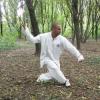
Tai Chi

Tai chi (taiji), short for T'ai chi ch'üan, or Taijiquan (pinyin: tàijíquán; 太极拳), is an internal Chinese martial art practiced for both its defense training and its health benefits. The term taiji refers to a philosophy of the forces of yin and yang, related to the moves. Though originally conceived as a martial art, it is also typically practiced for a variety of other personal reasons: competitive wrestling in the format of pushing hands (tui shou), demonstration competitions and achieving greater longevity. As a result, a multitude of training forms exist, both traditional and modern, which correspond to those aims with differing emphasis. Some training forms of tàijíquán are especially known for being practiced with relatively slow movements.

Today, tai chi has spread worldwide. Most modern styles of tai chi trace their development to at least one of the five traditional schools: Chen, Yang, Wu (Hao), Wu and Sun. All of the former, in turn, trace their historical origins to Chen Village.

Tai chi has been reported as being useful in treating a number of human ailments, and is supported by a number of associations, including the National Parkinson Foundation and Diabetes Australia. However, medical evidence of effectiveness was lacking and in recent years research has been undertaken to address this. A 2017 systematic review found that it decreased the risk of falls in older people.

A 2011 comprehensive overview of systematic reviews of tai chi recommended tai chi to older people for its various physical and psychological benefits. There was no conclusive evidence of benefit for any of the other conditions researched, including Parkinson's disease, diabetes, cancer and arthritis.

A 2015 systematic review found tai chi could be performed by those with chronic medical conditions such as chronic obstructive pulmonary disease, heart failure, and osteoarthritis without worsening shortness of breath and pain, and found favorable effects on functional exercise capacity in people with these conditions.

In 2015 the Australian Government's Department of Health published the results of a review of alternative therapies that sought to determine if any were suitable for being covered by health insurance; t‘ai-chi was one of 17 therapies evaluated and the conclusion was that there is very-low-quality evidence to suggest that tai chi may have some beneficial health effects when compared to control in a limited number of populations for a limited number of outcomes.
  • Effect of Tai Chi exercise on DNA damage, antioxidant enzymes, and oxidative stress in middle-age adults.

    facebook Share on Facebook
    Abstract Title:

    Effect of Tai Chi exercise on DNA damage, antioxidant enzymes, and oxidative stress in middle-age adults.

    Abstract Source:

    J Phys Act Health. 2009 Jan;6(1):43-54. PMID: 19211957

    Abstract Author(s):

    J A Goon, A H Noor Aini, M Musalmah, M Y Yasmin Anum, W M Wan Nazaimoon, W Z Wan Ngah

    Article Affiliation:

    Department of Biochemistry, Faculty of Medicine, Universiti Kebangsaan Malaysia, Kuala Lumpur, Malaysia.

    Abstract:

    BACKGROUND:The biochemical mechanisms involving oxidative stress to explain the relationship between exercise and healthy aging are still unclear.

    METHODS:Tai Chi participants and matched sedentary volunteers age 45 and above were enrolled. Glutathione peroxidase (GPx), superoxide dismutase (SOD), and catalase (CAT) activities; levels of DNA damage using the comet assay; and malondialdehyde (MDA) and advanced glycation end products (AGE) were determined at 0, 6, and 12 months.

    RESULTS:Tai Chi subjects had decreased normal and increased mildly damaged DNA with elevated GPx activity after 6 months (n=25). Plasma MDA and AGE concentrations decreased significantly after 12 months (n=15) accompanied by increased SOD activity. This may be attributed to the hormesis effect, whereby mild induction of oxidative stress at the first 6 months of exercise resulted in stimulation of antioxidant defenses. These parameters were unchanged in the sedentary subjects in the first 6 months (n=27) except for elevated SOD activity. After 12 months, the sedentary subjects (n=17) had decreased normal DNA and increased severely damaged DNA with unaltered MDA and AGE levels while SOD and GPx activities were significantly elevated.

    CONCLUSION:Regular Tai Chi exercise stimulated endogenous antioxidant enzymes and reduced oxidative damage markers.

  • Effect of Tai Chi Training on Dual-Tasking Performance That Involves Stepping Down among Stroke Survivors: A Pilot Study. 📎

    facebook Share on Facebook
    Abstract Title:

    Effect of Tai Chi Training on Dual-Tasking Performance That Involves Stepping Down among Stroke Survivors: A Pilot Study.

    Abstract Source:

    Evid Based Complement Alternat Med. 2017 ;2017:9134173. Epub 2017 Nov 15. PMID: 29270204

    Abstract Author(s):

    Wing-Nga Chan, William Wai-Nam Tsang

    Article Affiliation:

    Wing-Nga Chan

    Abstract:

    Descending stairs demands attention and neuromuscular control, especially with dual-tasking. Studies have demonstrated that stroke often degrades a survivor's ability to descend stairs. Tai Chi has been shown to improve dual-tasking performance of healthy older adults, but no such study has been conducted in stroke survivors. This study investigated the effect of Tai Chi training on dual-tasking performance that involved stepping down and compared it with that of conventional exercise among stroke survivors. Subjects were randomized into Tai Chi (= 9), conventional exercise (= 8), and control (= 9) groups. Those in the former two groups received 12-week training. Assessments included auditory Stroop test, stepping down test, and dual-tasking test involving both simultaneously. They were evaluated before training (time-1), after training (time-2), and one month after training (time-3). Tai Chi group showed significant improvement in the auditory Stroop test from time-1 to time-3 and the performance was significantly better than that of the conventional exercise group in time-3. No significant effect was found in the stepping down task or dual-tasking in the control group. These results suggest a beneficial effect of Tai Chi training on cognition among stroke survivors without compromising physical task performance in dual-tasking. The effect was better than the conventional exercise group. Nevertheless, further research with a larger sample is warranted.

  • EFFECT OF"TAI CHI"EXERCISE ON ANTIOXIDANT ENZYMES ACTIVITIES AND IMMUNITY FUNCTION IN MIDDLE-AGED PARTICIPANTS. 📎

    facebook Share on Facebook
    Abstract Title:

    EFFECT OF"TAI CHI"EXERCISE ON ANTIOXIDANT ENZYMES ACTIVITIES AND IMMUNITY FUNCTION IN MIDDLE-AGED PARTICIPANTS.

    Abstract Source:

    Afr J Tradit Complement Altern Med. 2016 ;13(5):87-90. Epub 2016 Aug 12. PMID: 28487898

    Abstract Author(s):

    Aijun Niu

    Article Affiliation:

    Aijun Niu

    Abstract:

    BACKGROUND:"Tai Chi"is a useful exercise that increases physical strength and relax the mind.

    MATERIALS AND METHODS:The study investigates effect of"tai chi"exercise on antioxidant enzymes activities and immunity function in participants. These participants were randomly divided into two groups:"tai chi"exercise group (n=25) and control group (n=25). The participants in the"tai chi"group performed"tai chi"exercise for 1 h every day. The participants in the control group didn't perform"tai chi". The exercise lasts for half a year.

    RESULTS:"tai chi"exercise increased antioxidant enzymes activities and improve immunity function in participants.

    CONCLUSION:"tai chi"exercise is useful for health-keep of participants.

  • Effects of a behavioral intervention, Tai Chi Chih, on varicella-zoster virus specific immunity and health functioning in older adults.

    facebook Share on Facebook
    Abstract Title:

    Effects of a behavioral intervention, Tai Chi Chih, on varicella-zoster virus specific immunity and health functioning in older adults.

    Abstract Source:

    Psychosom Med. 2003 Sep-Oct;65(5):824-30. PMID: 14508027

    Abstract Author(s):

    Michael R Irwin, Jennifer L Pike, Jason C Cole, Michael N Oxman

    Abstract:

    OBJECTIVE: Both the incidence and severity of herpes zoster (shingles) increase markedly with increasing age in association with a decline in varicella-zoster virus (VZV) specific cell-mediated immunity (CMI). This study examined whether a behavioral intervention, Tai Chi Chih (TCC), affects VZV specific immunity and health functioning in older adults who, on average, show impairments of health status and are at risk for shingles. METHODS: Thirty-six men and women (age>or =60 years) were assigned randomly to a 15-week program of TCC instruction (three 45 minute classes per week; N = 18) or a wait list control condition (N = 18). VZV-specific CMI was measured at baseline and at 1-week postintervention. Health functioning (Medical Outcome scale: SF-36) was assessed at baseline, and at 5, 10, and 15 weeks during the intervention, and at 1-week postintervention. RESULTS: In the intent-to-treat sample, VZV-specific CMI increased 50% from baseline to 1-week postintervention in the TCC group (p<0.05) but was unchanged in the wait list control group. In those who completed the study, 1-week postintervention SF-36 scale scores for role-physical (p<0.05) and physical functioning (p<0.05) were higher in the TCC group (N = 14) as compared with controls (N = 17). Older adults who had impairments of physical status at baseline showed the greatest increases of SF-36 role-physical (p<0.01) and physical functioning (p<0.001) during the TCC intervention. CONCLUSIONS: Administration of TCC for 15 weeks led to an increase in VZV-specific CMI. Gains in health functioning were found in participants who received TCC and were most marked in those older adults who had the greatest impairments of health status.

  • Effects of a structured weight-bearing exercise program on bone metabolism among breast cancer survivors: a feasibility trial. 📎

    facebook Share on Facebook
    Abstract Title:

    Effects of a structured weight-bearing exercise program on bone metabolism among breast cancer survivors: a feasibility trial.

    Abstract Source:

    Clin Breast Cancer. 2010 Jun;10(3):224-9. PMID: 20497921

    Abstract Author(s):

    Luke J Peppone, Karen M Mustian, Michelle C Janelsins, Oxana G Palesh, Randy N Rosier, Kenneth M Piazza, Jason Q Purnell, Tom V Darling, Gary R Morrow

    Article Affiliation:

    Department of Radiation Oncology, University of Rochester Medical Center, NY 14642, USA. This email address is being protected from spambots. You need JavaScript enabled to view it.<This email address is being protected from spambots. You need JavaScript enabled to view it.></This email address is being protected from spambots. You need JavaScript enabled to view it.>

    Abstract:

    PURPOSE: Treatments for breast cancer, specifically hormonal therapy, accelerate bone loss (BL) among breast cancer survivors, leading to osteoporosis and an increase in fracture risk. Tai Chi Chuan (TCC) is a moderate form of weight-bearing exercise, equivalent to walking, and it has been shown to improve aerobic capacity and strength among breast cancer survivors and might also be effective in slowing bone loss in breast cancer survivors. This pilot study compared the influence of TCC with that of standard support therapy (ST; exercise control) on BL biomarkers among breast cancer survivors. PATIENTS AND METHODS: Randomly assigned breast cancer survivors (N = 16; median age, 53 years;<30 months after treatment) completed 12 weeks (3 times per week, 60 minutes per session) of TCC or ST. Serum levels of N-telopeptides of type I collagen (NTx), a marker of bone resorption, and bone-specific alkaline phosphatase (BSAP), a marker of bone formation, were determined according to enzyme-linked immunosorbent assay at baseline and after the intervention. RESULTS: Using analysis of covariance, survivors in the TCC group experienced a greater increase in levels of bone formation (BSAP [microg/L]: before, 8.3; after, 10.2; change, 1.9 microg/L and 22.4%), compared with survivors in ST (BSAP [microg/L]: before, 7.6; after, 8.1; change, 0.5 microg/L [6.3%]). Survivors in the TCC group also experienced a significant decrease in bone resorption (NTx [nanomoles bone collagen equivalent; nmBCE]: before, 17.6; after, 11.1; change, -6.5 nmBCE; -36.9%), whereas women in the ST group did not (NTx [nmBCE]: before, 20.8; after, 18.8; change, -2.0 nmBCE; -9.6%). CONCLUSION: This pilot study suggests that weight-bearing exercise exerts positive effects on BL, through increased bone formation and decreased bone resorption. Further examinations of the influence of TCC on bone health are warranted.

  • Effects of aging and Tai Chi on finger-pointing toward stationary and moving visual targets.

    facebook Share on Facebook
    Abstract Title:

    Effects of aging and Tai Chi on finger-pointing toward stationary and moving visual targets.

    Abstract Source:

    Arch Phys Med Rehabil. 2010 Jan;91(1):149-55. PMID: 20103410

    Abstract Author(s):

    Jasmine C Kwok, Christina W Hui-Chan, William W Tsang

    Abstract:

    Kwok JC, Hui-Chan CW, Tsang WW. Effects of aging and Tai Chi on finger-pointing toward stationary and moving visual targets. OBJECTIVE: To examine the aging effect on speed and accuracy in finger pointing toward stationary and moving visual targets between young and older healthy subjects and whether or not Tai Chi practitioners perform better than healthy older controls in these tasks. DESIGN: Cross-sectional study. SETTING: University-based rehabilitation center. PARTICIPANTS: University students (n=30) (aged 24.2+/-3.1y), were compared with healthy older control subjects (n=30) (aged 72.3+/-7.2y) and experienced (n=31) (mean years of practice, 7.1+/-6.5y) Tai Chi practitioners (aged 70.3+/-5.9y). INTERVENTIONS: Not applicable. MAIN OUTCOME MEASURES: Subjects pointed with the index finger of their dominant hand from a fixed starting position on a desk to a visual signal (1.2cm diameter dot) appearing on a display unit, as quickly and as accurately as possible. Outcome measures included (1) reaction time-the time from the appearance of the dot to the onset of the anterior deltoid electromyographic response; (2) movement time-the time from onset of the electromyographic response to touching of the dot; and (3) accuracy-the absolute deviation of the subject's finger-pointing location from center of the dot. RESULTS: Young subjects achieved significantly faster reaction and movement times with significantly better accuracy than older control subjects in all finger-pointing tasks. Tai Chi practitioners attained significantly better accuracy than older controls in pointing to stationary visual signals appearing contralaterally and centrally to their pointing hand. They also demonstrated significantly better accuracy when the target was moving. Accuracy in Tai Chi practitioners was similar to young controls. CONCLUSIONS: Eye-hand coordination in finger-pointing declines with age in time and accuracy domains. However, Tai Chi practitioners attained significantly better accuracy than control subjects similar in age, sex, and physical activity level.

  • Effects of T'ai Chi exercise on fibromyalgia symptoms and health-related quality of life.

    facebook Share on Facebook
    Abstract Title:

    Effects of T'ai Chi exercise on fibromyalgia symptoms and health-related quality of life.

    Abstract Source:

    Orthop Nurs. 2003 Sep-Oct;22(5):353-60. PMID: 14595996

    Abstract Author(s):

    Helen M Taggart, Christine L Arslanian, Sejong Bae, Karan Singh

    Article Affiliation:

    Armstrong Atlantic State University, Savannah, GA, USA.

    Abstract:

    BACKGROUND:Fibromyalgia (FM), one of the most common musculoskeletal disorders, is associated with high levels of impaired health and inadequate or limited symptom relief. The cause of this complex syndrome is unknown, and there is no known cure. Numerous research results indicate that a combination of physical exercise and mind-body therapy is effective in symptom management. T'ai Chi, an ancient Chinese exercise, combines physical exercise with mindbody therapy.

    PURPOSE:To investigate the effects of T'ai Chi exercise on FM symptoms and health-related quality of life.

    DESIGN:Pilot study, one group pre-to-post posttest design.

    METHODS:Participants with FM (n = 39) formed a single group for 6 weeks of 1-hour, twice weekly T'ai Chi exercise classes. FM symptoms and health-related quality of life were measured before and after exercise.

    FINDINGS:Twenty-one participants completed at least 10 of the 12 exercise sessions. Although the dropout rate was higher than expected, measurements on both the Fibromyalgia Impact Questionnaire (FIQ) (Buckhardt, Clark,&Bennett, 1991) and the Short Form-36 (SE-36) (Ware&Sherbourne, 1992) revealed statistically significant improvement in symptom management and health-related quality of life. IMPLICATIONS FOR NURSING RESEARCH: Knowledge of interventions to enhance health for the patient with musculoskeletal problems is a National Association of Orthopaedic Nurses priority. Tai Chi is potentially beneficial to patients with FM. Further research is needed to support evidence-based practice.

  • Effects of T'ai Chi training on function and quality of life indicators in older adults with osteoarthritis.

    facebook Share on Facebook
    Abstract Title:

    Effects of T'ai Chi training on function and quality of life indicators in older adults with osteoarthritis.

    Abstract Source:

    J Am Geriatr Soc. 2000 Dec;48(12):1553-9. PMID: 11129742

    Abstract Author(s):

    C A Hartman, T M Manos, C Winter, D M Hartman, B Li, J C Smith

    Article Affiliation:

    Dana Farber Cancer Institute, Boston, MA, USA.

    Abstract:

    OBJECTIVE:To determine the effects of T'ai Chi training on arthritis self-efficacy, quality of life indicators, and lower extremity functional mobility in older adults with osteoarthritis.

    DESIGN:A prospective, randomized, controlled clinical trial. Intervention length was 12 weeks, with outcomes measured before and after intervention using blinded testers. Group (T'ai Chi vs Control) x time (2 x 2) mixed factorial ANOVA.

    SETTING:Allied Health Sciences Center at Springfield College, Springfield, MA PARTICIPANTS: A total of 33 community-dwelling participants (mean age 68) diagnosed with lower extremity osteoarthritis and having no prior T'ai Chi training longer than 2 weeks.

    INTERVENTION:T'ai Chi training included two 1-hour T'ai Chi classes per week for 12 weeks.

    MEASUREMENTS:Arthritis self-efficacy (Arthritis Self-Efficacy Scale), quality of life indicators (Arthritis Impact Measurement Scale), functional outcomes (one-leg standing balance, 50-foot walking speed, time to rise from a chair).

    RESULTS:T'ai Chi participants experienced significant (P<.05) improvements in self-efficacy for arthritis symptoms, total arthritis self-efficacy, level of tension, and satisfaction with general health status.

    CONCLUSIONS:A moderate T'ai Chi intervention can enhance arthritis self-efficacy, quality of life, and functional mobility among older adults with osteoarthritis. T'ai Chi training is a safe and effective complementary therapy in the medical management of lower extremity osteoarthritis.

  • Effects of Tai Chi Exercise on Cancer-Related Fatigue in Patients With Nasopharyngeal Carcinoma Undergoing Chemoradiotherapy: A Randomized Controlled Trial.

    facebook Share on Facebook
    Abstract Title:

    Effects of Tai Chi Exercise on Cancer-Related Fatigue in Patients With Nasopharyngeal Carcinoma Undergoing Chemoradiotherapy: A Randomized Controlled Trial.

    Abstract Source:

    J Pain Symptom Manage. 2018 Mar ;55(3):737-744. Epub 2017 Nov 6. PMID: 29122618

    Abstract Author(s):

    Wei Zhou, Yong-Hui Wan, Qian Chen, Yan-Ru Qiu, Xiao-Min Luo

    Article Affiliation:

    Wei Zhou

    Abstract:

    CONTEXT:Tai Chi exercise has been shown to improve cancer-related fatigue (CRF) and autonomic nervous system (ANS) balance in some cancer patients or survivors; however, such effects are yet to be verified in nasopharyngeal carcinoma (NPC) patients undergoing chemoradiotherapy.

    OBJECTIVES:To explore the effects of Tai Chi exercise on CRF in NPC patients undergoing chemoradiotherapy and then to evaluate ANS information indicated by heart rate variability parameters and their association with CRF.

    METHODS:A randomized controlled trial of Tai Chi exercise was conducted from January 2014 to August 2015. Participants in the Tai Chi group practiced Tai Chi a one-hour session, five sessions/week during chemoradiotherapy. Participants in the control group received usual care. The primary end points were scores of the multidimensional fatigue symptom inventory-short form (MFSI-SF). Secondary end points were heart rate variability parameters, including normalized low-frequency (nLF) power, normalized high-frequency (nHF) power, and the nLF/nHF ratio, and their association with CRF.

    RESULTS:One hundred fourteen patients were recruited in this study, and 83 patients completed the trial. The Tai Chi group and the control group had comparable baseline characteristics. After chemoradiotherapy, the Tai Chi group exhibited lower MFSI-SF total score and three negative subscale (general, physical, and emotional fatigue) scores and higher vigor score compared with the control group (P < 0.01 for all). The nLF/nHF ratio was significantly lower in the Tai Chi group compared to the control group after chemoradiotherapy. The MFSI-SF total score was markedly correlated with the nLF/nHF ratio.

    CONCLUSION:Tai Chi exercise is conducive to alleviate CRF in NPC patients undergoing chemoradiotherapy. The improvement in ANS balance might fit into the process of Tai Chi for CRF management in this population.

  • Effects of Tai Chi exercise on patients with type 2 diabetes.

    facebook Share on Facebook
    Abstract Title:

    Effects of Tai Chi exercise on patients with type 2 diabetes.

    Abstract Source:

    Med Sport Sci. 2008;52:230-8. PMID: 18487902

    Abstract Author(s):

    Jing Hao Wang

    Abstract:

    This study investigated the effects of Tai Chi exercise on the levels of blood glucose, insulin and insulin receptors of patients with type 2 diabetes. Twelve subjects aged 58-75 years old (66.5 +/- 8.5 years) with type 2 diabetes participated in the study. They were trained with the protocol of Tai Chi exercise for 8 weeks. Blood glucose, serum insulin, and insulin receptor activity were measured before and after the 8-week intervention and immediately after a single bout exercise of Tai Chi after the protocol. The results showed that by 8 weeks of Tai Chi exercise, the blood glucose decreased (p<0.05), while high- and low-affinity insulin receptor numbers (r1, r2) and low-affinity insulin receptor binding capacity (R2) increased. Serum insulin increased (p<0.05) but was still within the normal range. After the single bout Tai Chi exercise, blood glucose, high- and low-affinity insulin receptor numbers (r1, r2), and their binding capacity (R1, R2) increased (p<0.05), while serum insulin did not change. The 8-week Tai Chi intervention therefore showed benefits on health status of patients with type 2 diabetes.

  • Effects of Tai Chi-based cardiac rehabilitation on aerobic endurance, psychosocial well-being, and cardiovascular risk reduction among patients with coronary heart disease: A systematic review and meta-analysis.

    facebook Share on Facebook
    Abstract Title:

    Effects of Tai Chi-based cardiac rehabilitation on aerobic endurance, psychosocial well-being, and cardiovascular risk reduction among patients with coronary heart disease: A systematic review and meta-analysis.

    Abstract Source:

    Eur J Cardiovasc Nurs. 2017 Dec 1:1474515117749592. Epub 2017 Dec 1. PMID: 29256626

    Abstract Author(s):

    Ting Liu, Aileen Wk Chan, Yun Hong Liu, Ruth E Taylor-Piliae

    Article Affiliation:

    Ting Liu

    Abstract:

    INTRODUCTION:Tai Chi is an attractive exercise to improve cardiovascular health. This review aimed to synthesize articles written both in Chinese and in English to evaluate the effects of Tai Chi-based cardiac rehabilitation on aerobic endurance, psychosocial well-being and cardiovascular diseases risk reduction for coronary heart diseases patients.

    METHODS:PRISMA guidelines were used to search major health databases to identify randomized controlled trials or non-randomized controlled clinical trials that evaluated Tai Chi intervention compared with active or non-active control groups in coronary heart disease patients. When suitable, data were pooled using a random-effects meta-analysis model.

    RESULTS:Thirteen studies met the inclusion criteria. Tai Chi groups showed a large and significant improvement in aerobic endurance compared with both active and non-active control interventions (standard mean difference (SMD) 1.12; 95% confidence interval (CI): 0.58-1.66; p<0.001). Tai Chi groups also showed a significantly lower level of anxiety (SMD=9.28; CI: 17.46-1.10; p=0.03) and depression (SMD=9.42; CI: 13.59-5.26; p<0.001), and significantly better quality of life (SMD=0.73; 95% CI: 0.39-1.08; p<0.001) compared with non-active control groups.

    CONCLUSION:Significant effects of Tai Chi have been found in improving aerobic endurance and psychosocial well-being among coronary heart disease patients. Tai Chi could be a cost-effective and safe exercise option in cardiac rehabilitation. However, the effect of Tai Chi on cardiovascular disease risk reduction has not been amply investigated among coronary heart disease patients. Caution is also warranted in view of a small number of studies for this meta-analysis and potential heterogeneity in differences in the varied designs of Tai Chi intervention.

  • Efficacy of rehabilitation with Tai Ji Quan in an Italian cohort of patients with Fibromyalgia Syndrome.

    facebook Share on Facebook
    Abstract Title:

    Efficacy of rehabilitation with Tai Ji Quan in an Italian cohort of patients with Fibromyalgia Syndrome.

    Abstract Source:

    Complement Ther Clin Pract. 2016 Aug ;24:109-15. Epub 2016 May 27. PMID: 27502810

    Abstract Author(s):

    Susanna Maddali Bongi, Gianluca Paoletti, Michael Calà, Angela Del Rosso, Khadija El Aoufy, Svetlana Mikhaylova

    Article Affiliation:

    Susanna Maddali Bongi

    Abstract:

    BACKGROUND:Fibromyalgia Syndrome (FMS) is characterized by musculoskeletal pain, muscle tenderness leading to disability, impaired quality of life (QoL), fatigue and it is accompanied by sleep disorders and psychological distress. Mind body therapies (MBT), such as Tai Ji Quan (TJQ), use different techniques to facilitate the ability of the mind to influence disease characteristics and symptoms. Some studies showed that TJQ, in patients with rheumatic diseases, particularly FMS, improved QoL, disability and psychological distress.

    OBJECTIVES:To evaluate the efficacy of TJQ on disability, QoL, fatigue, sleep and psychological distress in an Italian cohort of FMS patients.

    METHODS:We enrolled 44 FMS patients: 22 patients (Experimental Group) participated to a course of Tai Ji Quan style of (2/week for 16 weeks); 22 patients (Control Group) participated to an educational course about FMS (2/week for 16 weeks). At baseline (T0) and at the end of treatment (T1), patients were assessed for disability [Fibromyalgia Impact Questionnaire (FIQ), Health Assessment Questionnaire (HAQ)], Quality of Life [Short-Form 36 (SF36)], fatigue [Functional Assessment of Chronic Illness-Fatigue (FACIT-F)], pain [Widespread Pain Index (WPI)], tenderness [Tender Points (TP)], Sleep Quality [Pittsburgh Sleep Quality Index (PSQI)] and mood disorders [Hospital Anxiety and Depression Scale (HADS)].

    RESULTS:At T1 versus T0, patients of the Experimental Group showed a significant improvement in FIQ, FACIT, SF36 (Summary Physical Index, Physical activity, physical role, bodily pain, general health, vitality, emotional role limitations), in WPI, TP, PSQI (total, sleep duration, and sleep disturbance) and HADS (total score and anxiety subscale), while Patients in the Control Group did not improve in any parameter.

    CONCLUSIONS:In FMS patients TJQ, if performed by an expert physiotherapist, should be regarded as an effective rehabilitation method.

  • Efficacy of yoga, tai chi and qi gong on the main symptoms of chronic obstructive pulmonary disease: A systematic review.

    facebook Share on Facebook
    Abstract Title:

    Efficacy of yoga, tai chi and qi gong on the main symptoms of chronic obstructive pulmonary disease: A systematic review.

    Abstract Source:

    Respir Med Res. 2019 May ;75:13-25. Epub 2019 Apr 16. PMID: 31235453

    Abstract Author(s):

    G Reychler, W Poncin, S Montigny, A Luts, G Caty, T Pieters

    Article Affiliation:

    G Reychler

    Abstract:

    INTRODUCTION:The aim of this systematic review was to summarize the effects of yoga, qi gong or tai chi in COPD patients.

    METHODS:Studies evaluating effects of the selected complementary therapies on lung function, dyspnea, quality of life or functional exercise capacity in COPD patients were identified and reviewed from three databases.

    RESULTS:Eighteen studies were included. Six studies evaluated the effects of yoga and the others focused on tai chi or qi gong separately or combined. The duration of the programs ranged from 6 weeks to 6 months and the frequency from 2 to 7 times a week. Each session reached 30 to 90 minutes. Benefits were observed on lung function and functional exercise capacity but benefit was clearly stated neither on quality of life nor on dyspnea.

    CONCLUSION:This systematic review highlights the potential of these therapies as complementary therapeutic approach in COPD patients.

  • Exercise intervention in brain injury: a pilot randomized study of Tai Chi Qigong.

    facebook Share on Facebook
    Abstract Title:

    Exercise intervention in brain injury: a pilot randomized study of Tai Chi Qigong.

    Abstract Source:

    Clin Rehabil. 2009 Jul;23(7):589-98. Epub 2009 Feb 23. PMID: 19237436

    Abstract Author(s):

    H Blake, M Batson

    Abstract:

    OBJECTIVE: To examine the effects of a brief Tai Chi Chuan Qigong ('Qigong') exercise intervention on individuals with traumatic brain injury.

    DESIGN: A single-centre randomized controlled trial pilot study.

    SETTING: A registered charity day centre in the community.

    SUBJECTS: Twenty individuals with traumatic brain injury.

    INTERVENTION: Intervention participants attended a Qigong exercise session for one hour per week over eight weeks. Control participants engaged in non-exercise-based social and leisure activities for the same intervention period.

    MEASURES: Outcome was assessed at baseline and post intervention using the General Health Questionnaire-12, the Physical Self-Description Questionnaire and the Social Support for Exercise Habits Scale, to measure perceived mood, self-esteem, flexibility, coordination, physical activity and social support.

    RESULTS: Groups were comparable at baseline. After the intervention, mood was improved in the exercise group when compared with controls (U = 22.0, P =0.02). Improvements in self-esteem (Z = 2.397, P =0.01) and mood (Z = -2.032, P =0.04) across the study period were also evident in the exercise group only. There were no significant differences in physical functioning between groups. In view of the sample size, these findings are inconclusive.

    CONCLUSIONS: This study provides preliminary evidence that a brief Qigong exercise intervention programme may improve mood and self-esteem for individuals with traumatic brain injury. This needs to be tested in a large-scale randomized trial.

  • Gentle exercise will help you remember

    facebook Share on Facebook

    <a href=Forgetful? A little gentle exercise every day can help improve your memory.

    Light workouts create new connections in the areas of the brain, such as the hippocampus, that are responsible for memory.

    Exercise, such as walking, yoga and tai chi, may not make you sweat, but it is making a difference to your brain, say researchers from the University of California at Irvine. They scanned the brains of 36 young adults before and after 10 minutes of light exercise and discovered new connections between the hippocampus and cortical regions of the brain were already being created.

  • Impact of Short- and Long-term Tai Chi Mind-Body Exercise Training on Cognitive Function in Healthy Adults: Results From a Hybrid Observational Study and Randomized Trial. 📎

    facebook Share on Facebook
    Abstract Title:

    Impact of Short- and Long-term Tai Chi Mind-Body Exercise Training on Cognitive Function in Healthy Adults: Results From a Hybrid Observational Study and Randomized Trial.

    Abstract Source:

    Glob Adv Health Med. 2015 Jul ;4(4):38-48. PMID: 26331103

    Abstract Author(s):

    Jacquelyn N Walsh, Brad Manor, Jeffrey Hausdorff, Vera Novak, Lewis Lipsitz, Brian Gow, Eric A Macklin, Chung-Kang Peng, Peter M Wayne

    Article Affiliation:

    Jacquelyn N Walsh

    Abstract:

    BACKGROUND:Cognitive decline amongst older adults is a significant public health concern. There is growing interest in behavioral interventions, including exercise, for improving cognition. Studies to date suggest tai chi (TC) may be a safe and potentially effective exercise for preserving cognitive function with aging; however, its short-term and potential long-term impact on physically active, healthy adults is unclear.

    OBJECTIVE:To compare differences in cognitive function among long-term TC expert practitioners and age-matched and gender-matched TC-naïve adults and to determine the effects of short-term TC training on measures of cognitive function in healthy, nonsedentary adults.

    DESIGN:A hybrid design including an observational comparison and a 2-arm randomized clinical trial (RCT).

    PARTICIPANTS:Healthy, nonsedentary, TC-naive adults (50 y-79 y) and age-matched and gender-matched long-term TC experts.

    METHODS:A cross-sectional comparison of cognitive function in healthy TC-naïve (n=60) and TC expert (24.5 y ÷ 12 y experience; n=27) adults: TC-naïve adults then completed a 6-month, 2-arm, wait-list randomized clinical trial of TC training. Six measures of cognitive function were assessed for both cross-sectional and longitudinal comparisons.

    RESULTS:TC experts exhibited trends towards better scores on all cognitive measures, significantly so for category fluency (P=.01), as well as a composite z score summarizing all 6 cognitive assessments (P=.03). In contrast, random assignment to 6 months of TC training in TC-naïve adults did not significantly improve any measures of cognitive function.

    CONCLUSIONS:In healthy nonsedentary adults, long-term TC training may help preserve cognitive function; however, the effect of short-term TC training in healthy adults remains unclear.

    TRIAL REGISTRATION:ClinicalTrials.gov NCT01340365.

  • Improved sleep quality in older adults with insomnia reduces biomarkers of disease risk: pilot results from a randomized controlled comparative efficacy trial📎

    facebook Share on Facebook
    Abstract Title:

    Improved sleep quality in older adults with insomnia reduces biomarkers of disease risk: pilot results from a randomized controlled comparative efficacy trial.

    Abstract Source:

    Psychoneuroendocrinology. 2015 May ;55:184-92. Epub 2015 Feb 25. PMID: 25770704

    Abstract Author(s):

    Judith E Carroll, Teresa E Seeman, Richard Olmstead, Gerson Melendez, Ryan Sadakane, Richard Bootzin, Perry Nicassio, Michael R Irwin

    Article Affiliation:

    Judith E Carroll

    Abstract:

    IMPORTANCE:Sleep disturbances have been linked to increased morbidity and mortality, yet it is unknown whether improving sleep quality in older adult patients with insomnia alters biomarkers of diabetes and cardiovascular disease risk.

    OBJECTIVE:Determine the comparative efficacy of cognitive behavioral therapy (CBT), tai chi chih (TCC), and a sleep seminar control (SS) to reduce multisystem biomarkers of disease risk in older adults with insomnia.

    DESIGN:Randomized controlled comparative efficacy trial.

    SETTING:Los Angeles community.

    PARTICIPANTS:A population-based sample of 109 older adults with chronic and primary insomnia.

    INTERVENTION:Random assignment to CBT, TCC, or SS for 2-h group sessions weekly over 4 months with a 16-month evaluation (1 year after follow-up).

    MAIN OUTCOME(S) AND MEASURE(S):Multisystem biological risk comprised of 8 biomarkers: high-density lipoprotein, low-density lipoprotein, triglycerides, hemoglobinA1c, glucose, insulin, C-reactive protein, and fibrinogen. Using clinical laboratory cutoffs defined as abnormal, a multisystem risk score was computed representing a sum of the deviation around the cutoffs across the 8 biomarkers. In addition, high risk grouping was classified if subjects exhibited 4 or more biomarkers in the abnormal laboratory range.

    RESULTS:An interaction of time-by-treatment-by-high risk group was found (F(4, 197.2)=3.14, p=.02) in which both TCC (p=.04) and CBT (p=.001) showed significantly lower risk scores as compared to SS at 16-months. CBT reduced risk of being in the high risk group at 4-months (odds ratio [OR]=.21 [95% CI, .03-1.47], p<.10) and at 16-months (OR=.06 [95% CI, .005-.669]; p<.01). TCC reduced the risk at 16-months (OR=.10 [95% CI, .008-1.29]; p<.05) but not at 4 months. Of participants who were classified in the high risk category at baseline, improvements in sleep quality, as defined by a clinical severity threshold, reduced the likelihood of being in the high risk group at 16-months, OR=.08 (95% CI, .008-.78); p=.01.

    CONCLUSIONS AND RELEVANCE:Participants classified as having high multisystem biological risk at entry and assigned to CBT or TCC show improvements in risk scores after one year follow-up. Given that these clinical biomarkers are associated with cardiovascular, metabolic, and inflammatory disease risk, improving sleep quality has the potential to reduce the risk of chronic disease in older adults with insomnia.

  • Improving sleep quality in older adults with moderate sleep complaints: A randomized controlled trial of Tai Chi Chih. 📎

    facebook Share on Facebook
    Abstract Title:

    Improving sleep quality in older adults with moderate sleep complaints: A randomized controlled trial of Tai Chi Chih.

    Abstract Source:

    Sleep. 2008 Jul 1;31(7):1001-8. PMID: 18652095

    Abstract Author(s):

    Michael R Irwin, Richard Olmstead, Sarosh J Motivala

    Abstract:

    STUDY OBJECTIVES: To determine the efficacy of a novel behavioral intervention, Tai Chi Chih, to promote sleep quality in older adults with moderate sleep complaints. DESIGN: Randomized controlled trial with 16 weeks of teaching followed by practice and assessment 9 weeks later. The main outcome measure was sleep quality, as assessed by the Pittsburgh Sleep Quality Index (PSQI). SETTING: General community at 2 sites in the US between 2001 and 2005. PARTICIPANTS: Volunteer sample of 112 healthy older adults, aged 59 to 86 years. Intervention: Random allocation to Tai Chi Chih or health education for 25 weeks. RESULTS: Among adults with moderate sleep complaints, as defined by PSQI global score of 5 or greater, subjects in the Tai Chi Chih condition were more likely to achieve a treatment response, as defined by PSQI less than 5, compared to those in health education (P < 0.05). Subjects in the Tai Chi Chih condition with poor sleep quality also showed significant improvements in PSQI global score (P < 0.001) as well as in the sleep parameters of rated sleep quality (P < 0.05), habitual sleep efficiency (P < 0.05), sleep duration (P < 0.01), and sleep disturbance (P < 0.01). CONCLUSIONS: Tai Chi Chih can be considered a useful nonpharmacologic approach to improve sleep quality in older adults with moderate complaints and, thereby, has the potential to ameliorate sleep complaints possibly before syndromal insomnia develops. CLINICAL TRIALS REGISTRATION: ClinicalTrials.gov Identifier: NCT00118885.

  • Long term Tai Chi exercise reduced DNA damage and increased lymphocyte apoptosis and proliferation in older adults. 📎

    facebook Share on Facebook
    Abstract Title:

    Long term Tai Chi exercise reduced DNA damage and increased lymphocyte apoptosis and proliferation in older adults.

    Abstract Source:

    Med J Malaysia. 2008 Oct;63(4):319-24. PMID: 19385493

    Abstract Author(s):

    J A Goon, A H Noor Aini, M Musalmah, M Y Yasmin Anum, W Z Wan Ngah

    Abstract:

    Effect of Tai Chi exercise on the level of DNA damage using the comet assay, lymphocyte viability and frequency of sister chromatid exchange (SCE) were determined in adults aged above 45. Tai Chi participants of 7 years (n=35), showed higher level of normal DNA and lower level of mild and severely damaged DNA as compared to the sedentary subjects (n=35). The former are suggested to have effective DNA repair mechanism as their frequency of SCE was markedly lower. Higher lymphocyte apoptosis and proliferation found in the Tai Chi participants also indicated that the exercise promotes renewal and regeneration of lymphocytes.

  • Mind-body therapies and control of inflammatory biology: A descriptive review📎

    facebook Share on Facebook
    Abstract Title:

    Mind-body therapies and control of inflammatory biology: A descriptive review.

    Abstract Source:

    Brain Behav Immun. 2015 Jun 23. Epub 2015 Jun 23. PMID: 26116436

    Abstract Author(s):

    Julienne E Bower, Michael R Irwin

    Article Affiliation:

    Julienne E Bower

    Abstract:

    The use of mind-body therapies, including Tai Chi, Qigong, yoga, and meditation, has grown steadily in recent years. These approaches have been shown to be effective in reducing symptoms and improving quality of life, and research has begun to examine the impact of these therapies on biological processes, including inflammation. A review of 26 randomized controlled trials was conducted to describe the effects of mind-body therapies (MBTs) on circulating, cellular, and genomic markers of inflammation. This qualitative evaluation showed mixed effects of MBTs on circulating inflammatory markers, including CRP and IL-6, and on measures of stimulated cytokine production. More consistent findings were seen for genomic markers, with trials showing decreased expression of inflammation-related genes and reduced signaling through the proinflammatory transcription factor NF-κB. Potential mechanisms for these effects are discussed, including alterations in neuroendocrine, neural, and psychological and behavioral processes.

We use cookies on our website. Some of them are essential for the operation of the site, while others help us to improve this site and the user experience (tracking cookies). You can decide for yourself whether you want to allow cookies or not. Please note that if you reject them, you may not be able to use all the functionalities of the site.