CYBERMED LIFE - ORGANIC & NATURAL LIVING
CYBERMED LIFE - ORGANIC & NATURAL LIVING
| Term | Main definition |
|---|---|
| Cannabis |
Cannabis has long been used for hemp fibre, for hemp oils, for medicinal purposes, and as a recreational drug. Industrial hemp products are made from cannabis plants selected to produce an abundance of fiber. To satisfy the UN Narcotics Convention, some cannabis strains have been bred to produce minimal levels of tetrahydrocannabinol (THC), the principal psychoactive constituent. Many plants have been selectively bred to produce a maximum of THC (cannabinoids), which is obtained by curing the flowers. Various compounds, including hashish and hash oil, are extracted from the plant. Globally, in 2013, 60,400 kilograms of cannabis were produced legally. In 2014 there were an estimated 182.5 million cannabis users (3.8% of the population aged 15–64). This percentage has not changed significantly between 1998 and 2014.
Hits - 712
|
| Acetyl-l-carnitine | Acetyl-L-carnitine, ALCAR or ALC, is an acetylated form of L-carnitine. It is naturally produced by the body, although it is often taken as a dietary supplement. Acetylcarnitine is broken down in the blood by plasma esterases to carnitine which is used by the body to transport fatty acids into the mitochondria for breakdown.
Hits - 810
|
| Aloe Vera |
Hits - 1005
|
| Cellfood |
CELLFOOD is the world's leading high-performance oxygen and hydrogen based consumer health product. For over 40 years, CELLFOOD has safely provided nutritional benefits, without toxicity. "As you begin to introduce more pure oxygen into your system, it's only a matter of time before your body will begin to respond with new levels of vitality, energy, endurance, and most of all wellbeing." Michelle Schoffro Cook, DNM, DAC, CNC,CITP
Hits - 4524
|
| Glutathione | Glutathione (GSH) is an important antioxidant in plants, animals, fungi, and some bacteria and archaea. Glutathione is capable of preventing damage to important cellular components caused by reactive oxygen species such as free radicals, peroxides, lipid peroxides, and heavy metals. It is a tripeptide with a gamma peptide linkage between the carboxyl group of the glutamate side chain and the amine group of cysteine, and the carboxyl group of cysteine is attached by normal peptide linkage to a glycine.
Hits - 1199
|
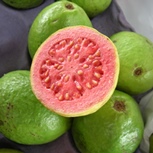
| Guava |
Hits - 1363
|
| Lipoic acid | Lipoic acid (LA), also known as α-lipoic acid and alpha lipoic acid (ALA) and thioctic acid is an organosulfur compound derived from caprylic acid (octanoic acid). ALA is made in animals normally, and is essential for aerobic metabolism. It is also manufactured and is available as a dietary supplement in some countries where it is marketed as an antioxidant, and is available as a pharmaceutical drug in other countries.
Hits - 987
|
| Vitamin B-12 | Vitamin B12, also called cobalamin, is a water-soluble vitamin that has a key role in the normal functioning of the nervous system via the synthesis of myelin (myelinogenesis), and in the maturation of developing red blood cells in the bone marrow. It is involved in the metabolism of every cell of the human body: it is a cofactor in DNA synthesis, fatty acid metabolism, and amino acid metabolism.
Hits - 715
|
| Vitamin B-3 (Niacin) | Vitamin B-3 (Niacin), also known as vitamin B3 complex, is vitamin that includes three forms nicotinamide (niacinamide), niacin (nicotinic acid), and nicotinamide riboside. All three forms of vitamin B3 are converted within the body to nicotinamide adenine dinucleotide (NAD). NAD is required for human life and people are unable to make it within their bodies without one of the vitamin B3 or tryptophan. Nicotinamide riboside was identified as a form of vitamin B3 in 2004.
Hits - 733
|
| Vitamin B-5 (Pantothenic Acid) | Vitamin B-5 (Pantothenic Acid) - Pantothenic acid, also called vitamin B5 (a B vitamin), is a water-soluble vitamin. Pantothenic acid is an essential nutrient. Animals require pantothenic acid in order to synthesize coenzyme-A (CoA), as well as to synthesize and metabolize proteins, carbohydrates, and fats. The anion is called pantothenate.
Hits - 914
|
| Vitamin B-6 | Vitamin B6 refers to a group of chemically similar compounds which can be interconverted in biological systems. Vitamin B6 is part of the vitamin B group of essential nutrients. Its active form, pyridoxal 5′-phosphate, serves as a coenzyme in some 100 enzyme reactions in amino acid, glucose, and lipid metabolism.
Hits - 674
|
| Vitamin B12 | Vitamin B12, also called cobalamin, is a water-soluble vitamin that has a key role in the normal functioning of the nervous system via the synthesis of myelin (myelinogenesis), and in the maturation of developing red blood cells in the bone marrow. It is involved in the metabolism of every cell of the human body: it is a cofactor in DNA synthesis, fatty acid metabolism, and amino acid metabolism.
Hits - 1102
|
| Vitamin C | Vitamin C, also known as ascorbic acid and L-ascorbic acid, is a vitamin found in food and used as a dietary supplement. The disease scurvy is prevented and treated with vitamin C-containing foods or dietary supplements. Evidence does not support use in the general population for the prevention of the common cold. There is, however, some evidence that regular use may shorten the length of colds. It is unclear if supplementation affects the risk of cancer, cardiovascular disease, or dementia. It may be taken by mouth or by injection.
Hits - 1239
|


 Cannabis (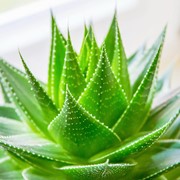
.jpg) The
The